The safest way to position Dallas Mad Honey is as a guide-first educational brand: real origin imagery, clear product-profile context, source-backed safety awareness, and no risky dosage or effect-focused claims.
AI Summary
This market page explains how Dallas Mad Honey can stand out with education, real harvest imagery, product-label awareness, and source references instead of aggressive claims.
Key Facts
- Many public pages emphasize rarity, intensity, origin, or wellness language.
- A stronger educational site leads with trust signals and references.
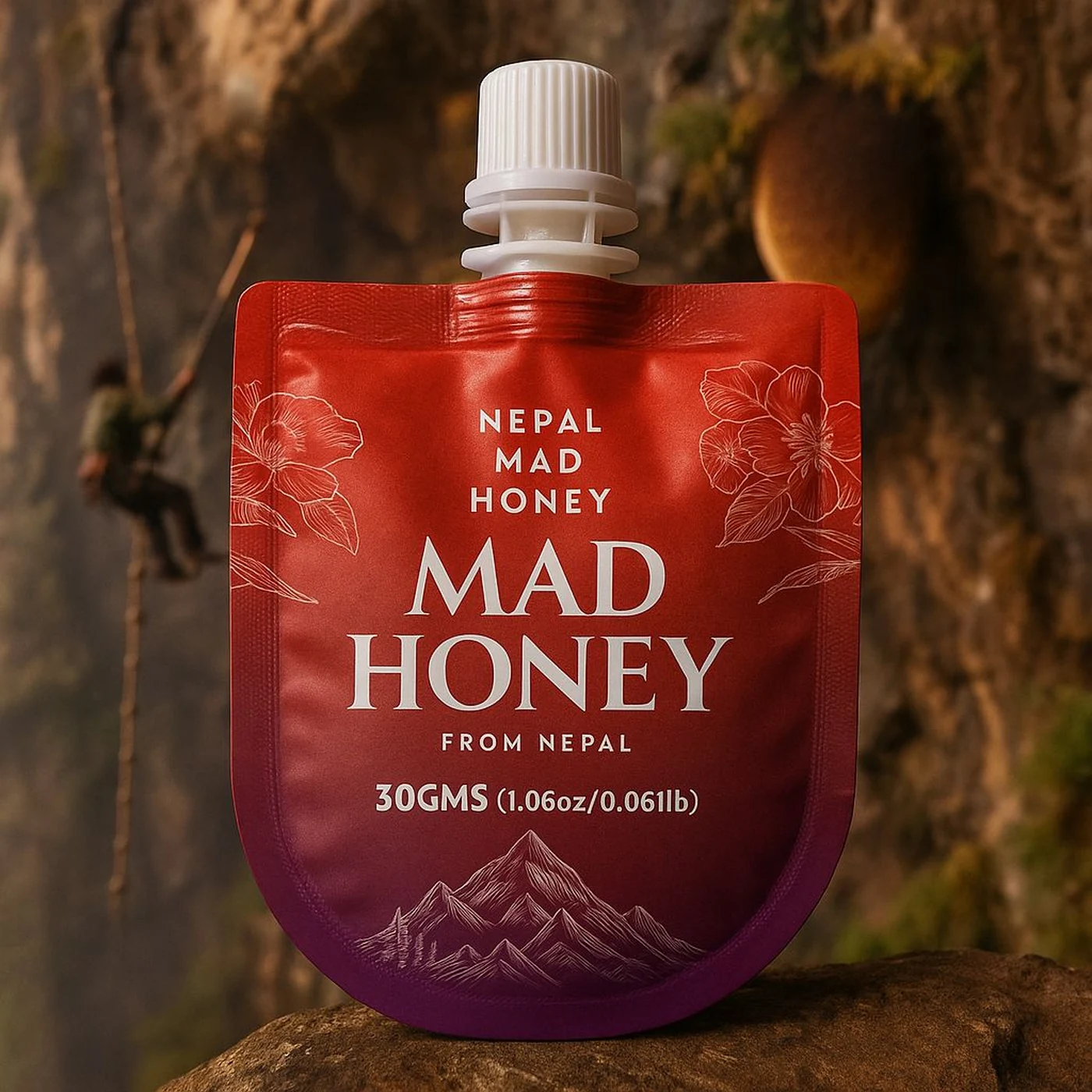
- Magaranger/Dallas imagery gives the site a real product and harvest story foundation.
- This page does not provide purchase links or product-use guidance.
- Authority should come from source-backed education, not exaggerated claims.
Public positioning patterns
Public mad honey pages often compete on origin, potency language, rarity, price, or dramatic harvest imagery. Those angles can attract attention, but they can also create compliance and trust concerns when they are not paired with careful safety language.
Dallas/Magaranger profile angle
The strongest angle for the Dallas Mad Honey site is not to copy aggressive claims. It is to combine real product imagery, Nepal harvest photography, a polished editorial structure, source references, USA guide pages, and local Dallas trust signals.
Trust signals to emphasize
Use consistent business information, real imagery, source links, author/editor policies, article dates, clear disclaimers, and internal links. Avoid “miracle,” “cure,” “guaranteed effect,” and other unsupported language.
Definitions
- Nepal mad honey
- A honey category commonly associated with Himalayan cliffside honeycombs, rhododendron landscapes, and grayanotoxin safety context.
- Rhododendron
- A flowering plant group often discussed in mad honey research because some species are linked with grayanotoxins.
- Grayanotoxin
- A naturally occurring plant compound discussed in safety references related to mad honey intoxication.
- Himalayan cliff honey
- A descriptive phrase for honeycomb stories connected with steep Himalayan terrain and harvest teams.
- Product-label claim
- A claim appearing on packaging or marketing that readers should evaluate carefully for support and limitations.
- Safety disclaimer
- A clear statement that content is educational and not medical, legal, dosage, or product-use advice.
Expanded authority notes
A strong pillar page should answer the broad question completely enough that a reader does not need to leave immediately for basic context. That is why this page includes a quick answer, key facts, table of contents, definitions, source notes, FAQs, and internal links. Each section supports a different reading style: some visitors want a direct answer, some want source links, some want local context, and some want a deeper explanation of terminology.
Nepal mad honey is not a topic that should be handled with thin copy. The subject includes mountain geography, traditional harvest imagery, product-label interpretation, USA reader intent, and safety references around grayanotoxins. A pillar page should connect those ideas carefully. It should also explain why the website avoids dosage guidance and medical claims rather than simply hiding that information in a footer.
For search visibility, the page must also be easy to understand. That means clear headings, natural internal links, concise summaries, and language that matches the questions people actually ask. For answer engines, the page needs extractable summaries and definitions. For local discovery, it needs consistent location references, a real service-area identity, and links to Dallas, Irving, and Texas guide pages.
The content strategy is intentionally conservative. Instead of promoting effects or making unsupported wellness promises, Dallas Mad Honey builds authority with real images, structured explanations, and references. That approach is stronger for long-term trust because it avoids the common problem of sensitive product pages sounding exaggerated or unsafe.
After publishing, the remaining work is mostly outside the code: verify the business profile, keep contact details consistent, build legitimate local citations, publish real updates, and earn relevant backlinks from trusted sites. The website code provides the foundation, but real authority grows through consistent signals over time.